
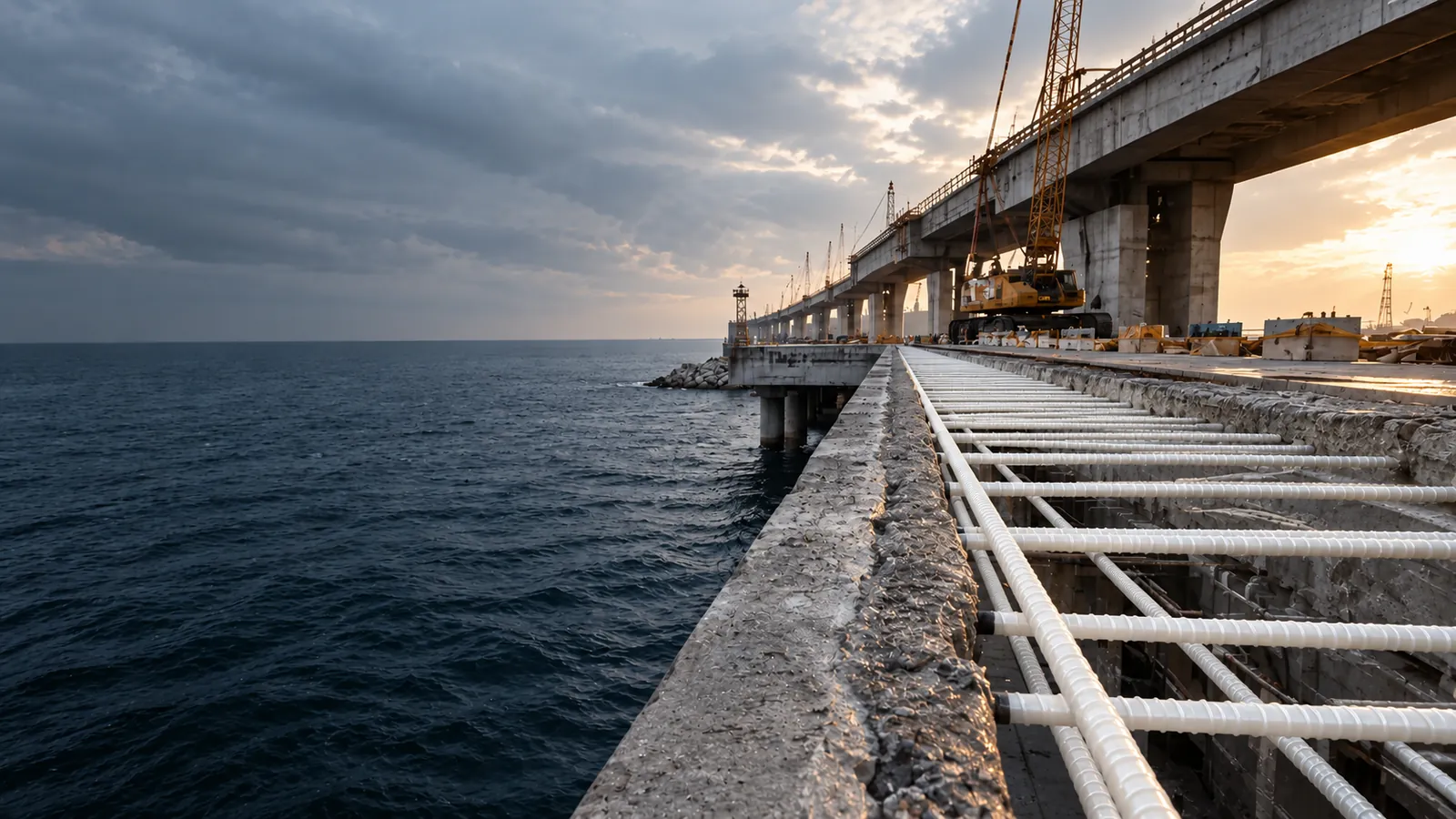
GFRP vs steel / TMT
The honest comparison
Reinforcement is not just the price per kg — it is lifecycle cost, durability and safety over the life of the structure.
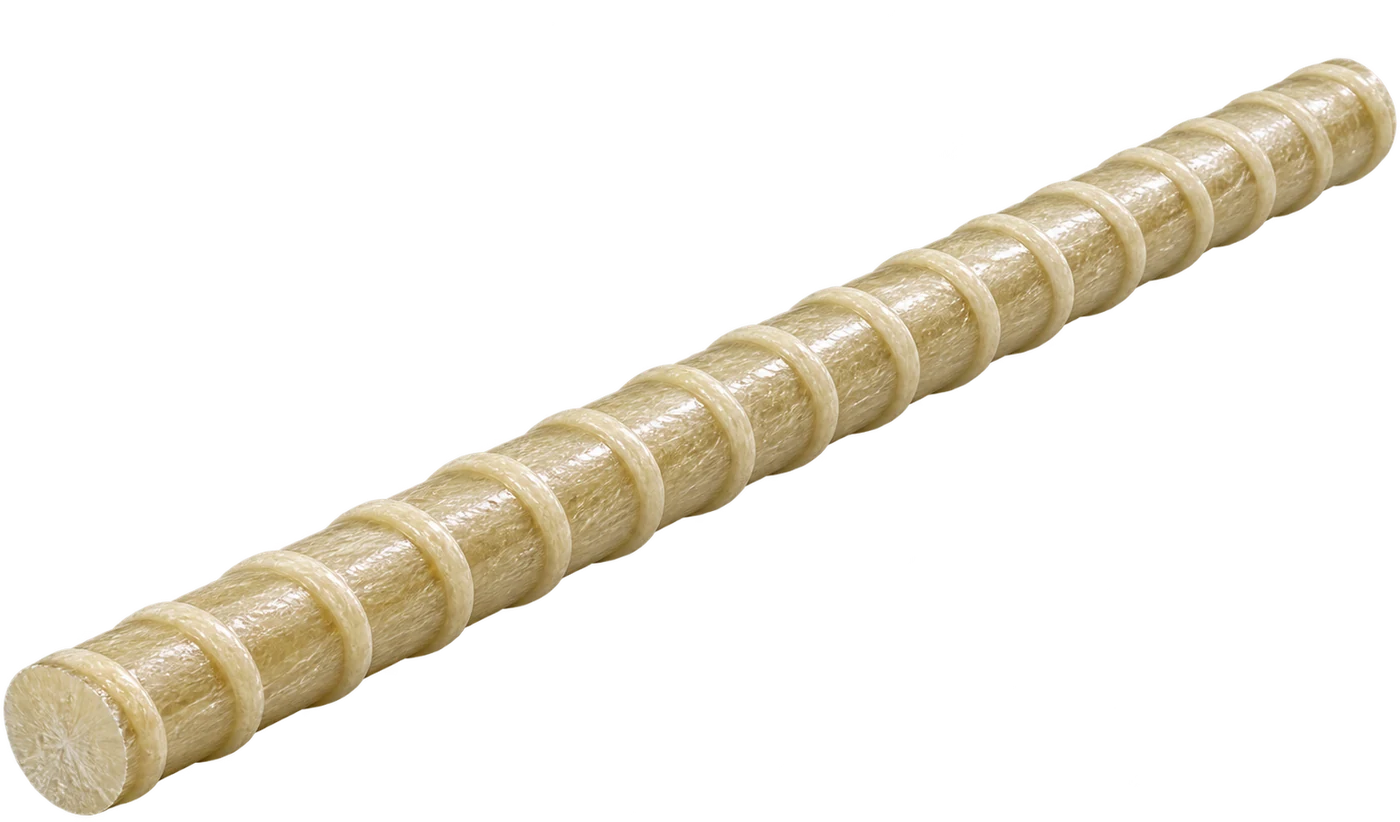
- Never rusts — 100+ year design life
- Up to ~2× the tensile strength
- About ¼ the weight, non-conductive
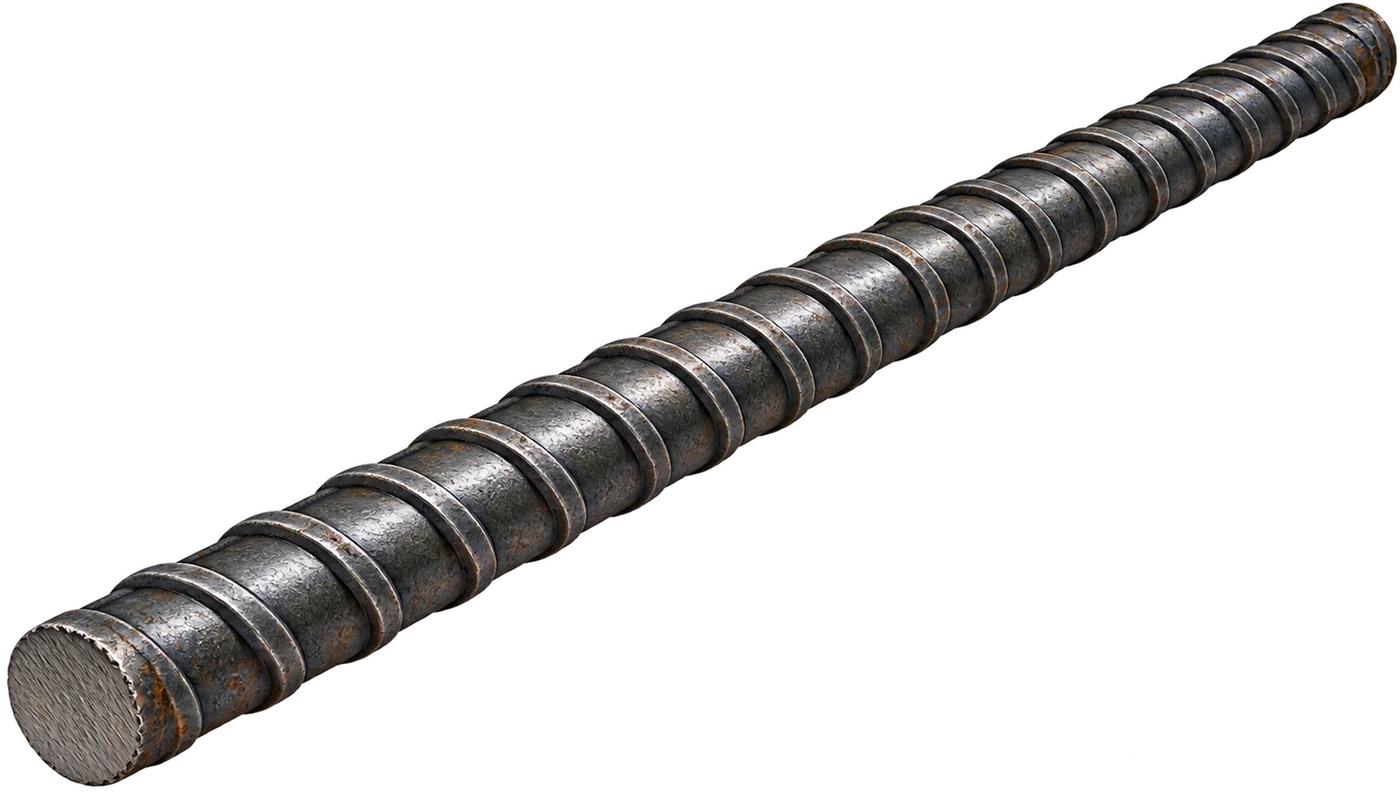
- Corrodes in moisture, salt and chemicals
- Heavy, magnetic and conductive
- Repairs and spalling over its life
| Property | TMT steel | GFRP — Five Fingers |
|---|---|---|
| Corrosion resistance | Corrodes | Does not corrode |
| Weight (density) | ~7.85 ton/m³ | ~¼ the weight of steel |
| Ultimate tensile strength | ~500–600 MPa | Up to ~2× stronger |
| Design service life | ~50 years | 100+ years |
| Electrical conductivity | Conductive | Non-conductive |
| Magnetic | Magnetic | Non-magnetic |
| Available length | Fixed ~12 m | Custom lengths |
| Maintenance | Corrosion repairs | Low / none |
What it means on site
Where the difference shows up
Lower lifecycle cost
GFRP can cost more per kg, but at a quarter of the weight and with no corrosion repairs, compare it per running metre and over the life of the asset.
Longer service life
Where steel-reinforced concrete spalls as the bar rusts, GFRP structures are designed for 100+ years.
Easier handling
About a quarter of the weight of steel — faster to carry, place and transport, with fewer people per bundle.
Common doubts
Straight answers to the usual doubts
01 Isn't GFRP more expensive than steel?
Per kg it can cost more, but GFRP is about a quarter of the weight, so compare price per running metre against your steel specification, not per kg. Add the corrosion repairs and early replacement that steel brings in aggressive exposure and the lifecycle cost usually favours GFRP. Send your steel bar schedule and we will quote the GFRP equivalent per metre.
02 Is GFRP really as strong as steel?
In tension, yes — GFRP typically has up to about twice the tensile strength of steel. It has a lower modulus of elasticity and behaves elastically to failure, so design and detailing differ from steel. Our technical team supports your engineer with sizing for each application.
03 Will my structural engineer accept it?
Our GFRP rebars are designed and manufactured to align with ASTM D7957, IRC 112 and ISO 10406-1 benchmarks for glass-fibre reinforcement. We issue a datasheet and test data against the batch supplied, so your engineer can check it against the design.
04 Can GFRP be bent, cut or welded on site?
It can be cut on site with an abrasive or diamond blade, but it cannot be bent on site or welded like steel. If your design needs bent bars, share the bar-bending schedule with your enquiry and we will confirm what we can supply.
05 How does GFRP behave in a fire?
Like all fibre-reinforced polymers, the resin softens at high temperature, so fire performance depends on adequate concrete cover as set out in the design code. Your engineer specifies the cover; we provide the material data they need.